We use cookies to personalize content and analyze traffic, to ensure you get the best user experience from our site. By continuing use of our website you agree to our use of cookies. Learn more

In EMEA, ARKTURA is NOWN.
Click here to be redirected.

To stay in the United States, click here.

Buy American Act & Build America, Buy America Act

Our Compliance Commitment

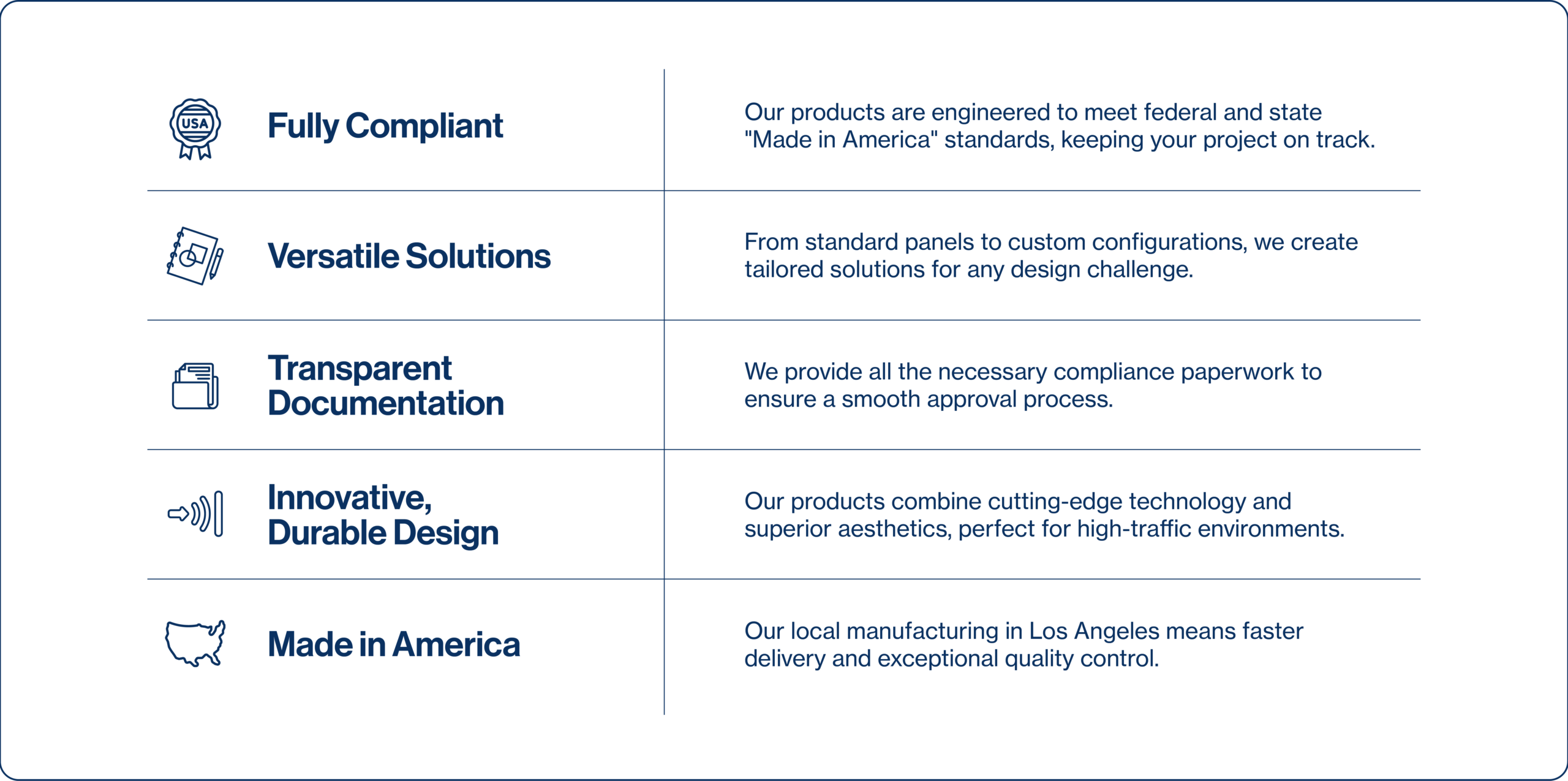
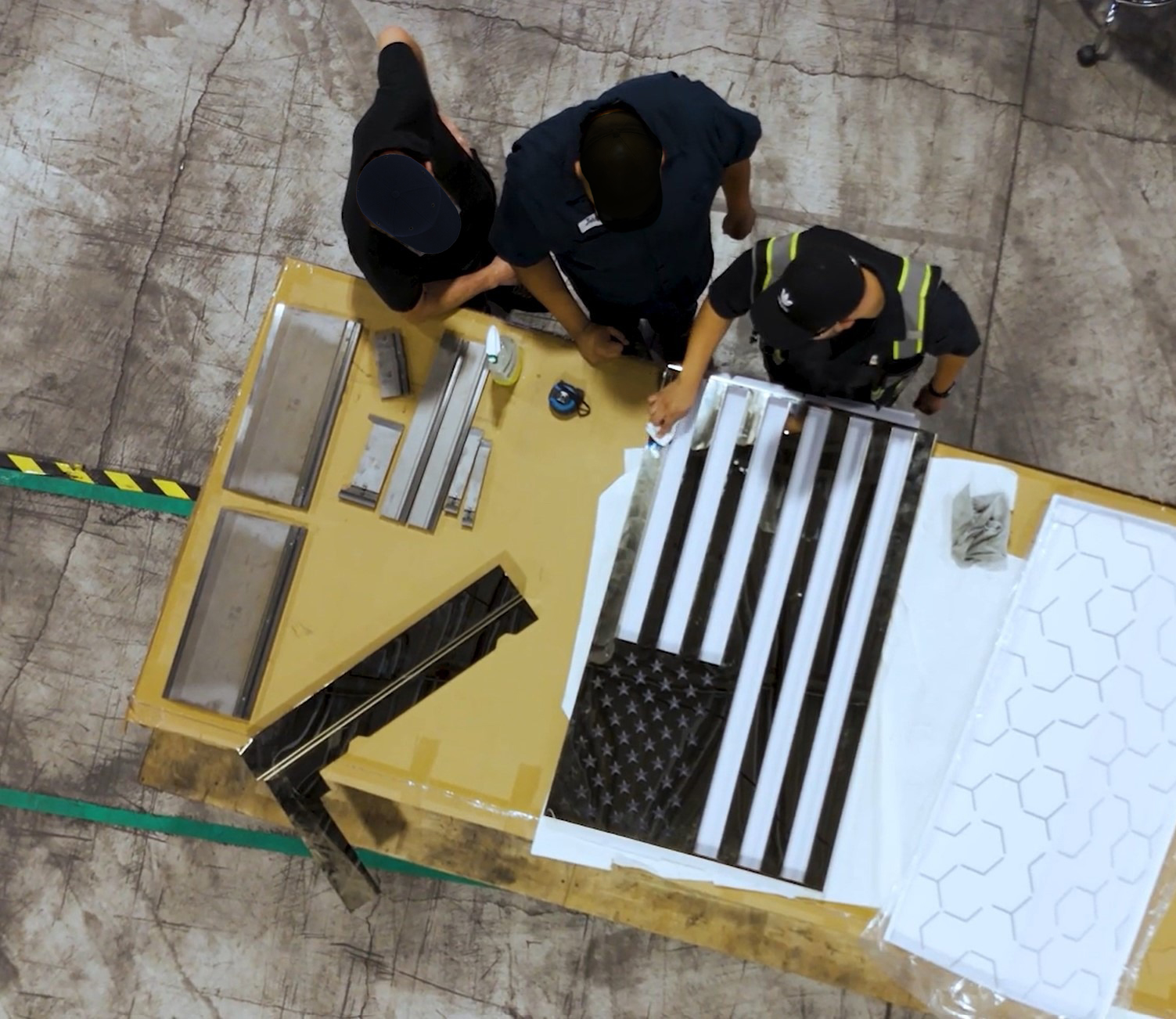
Arktura is committed to supporting American manufacturing and compliance with federal procurement requirements. Our products are engineered to meet “Made in America” standards, including Buy American Act (BAA) and Build America, Buy America Act (BABA) requirements.

Whether you’re working on government projects, healthcare facilities, educational institutions, or commercial spaces, our domestically manufactured solutions help you meet federal compliance standards while delivering the quality and performance your project demands.

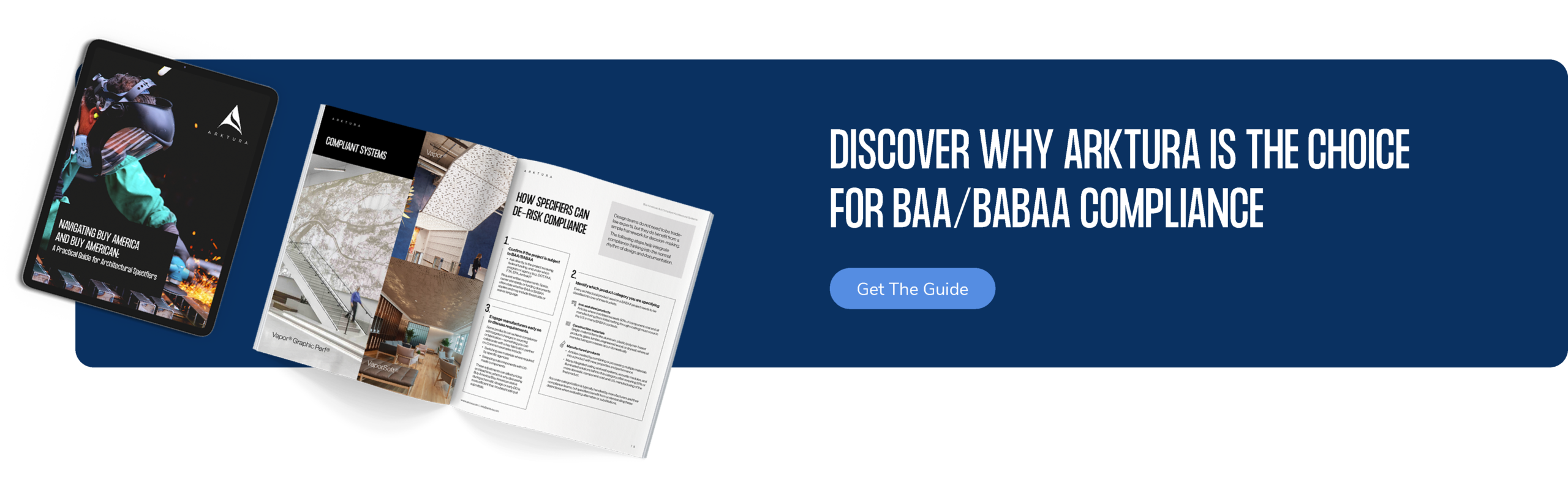
Download our Compliant Product Guide below to learn more.
Product Guide

educational-guide

img1

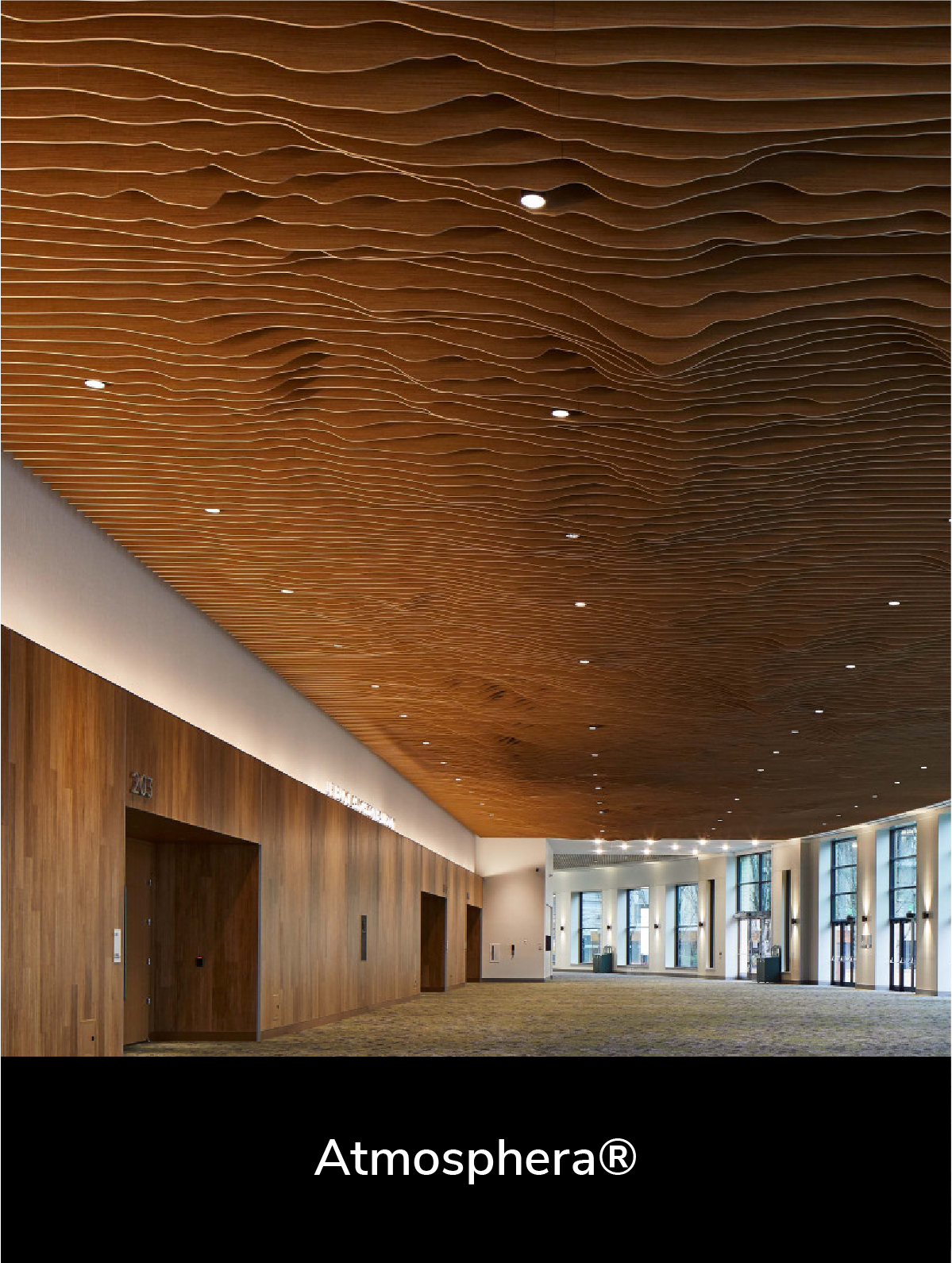
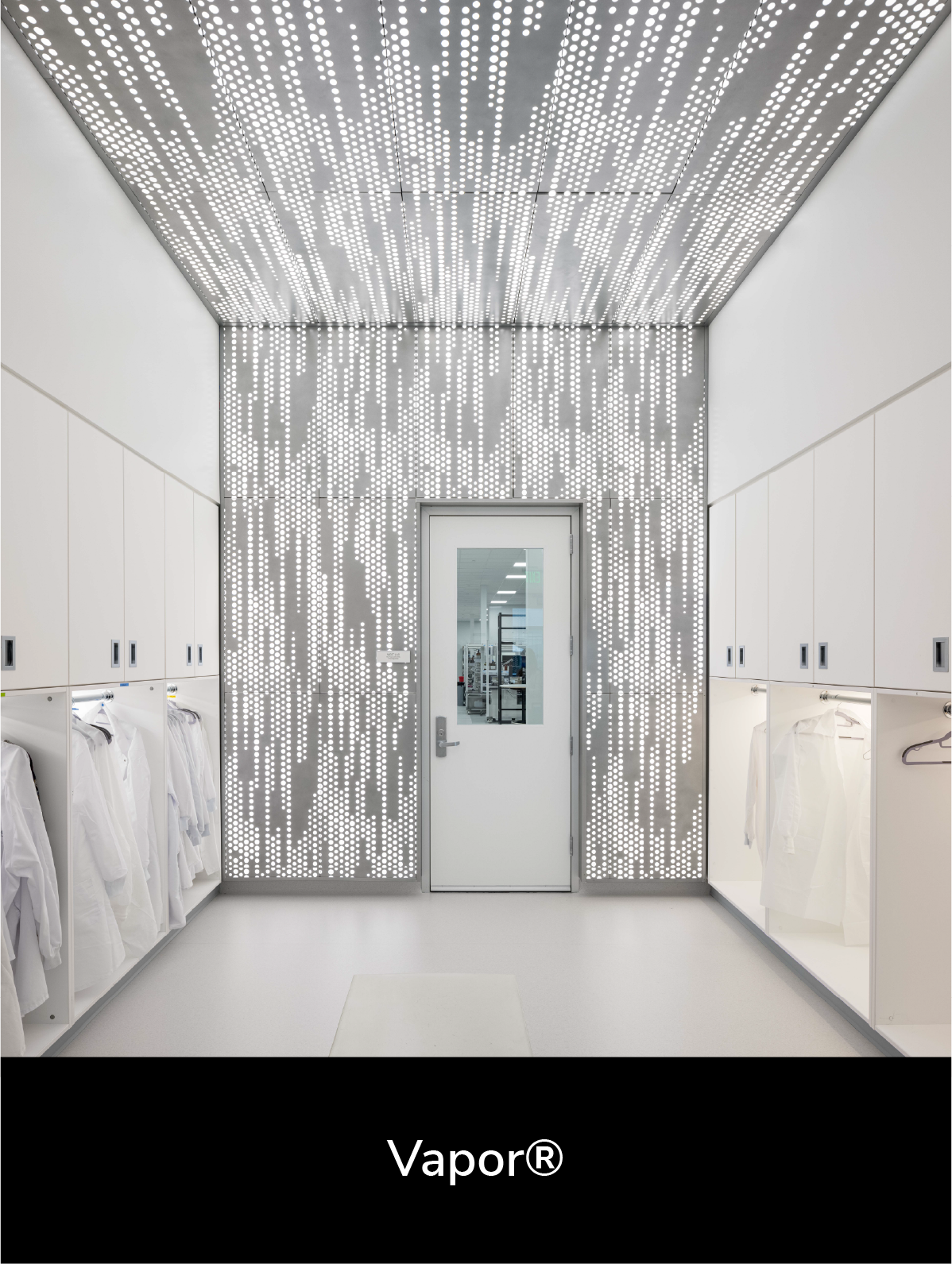
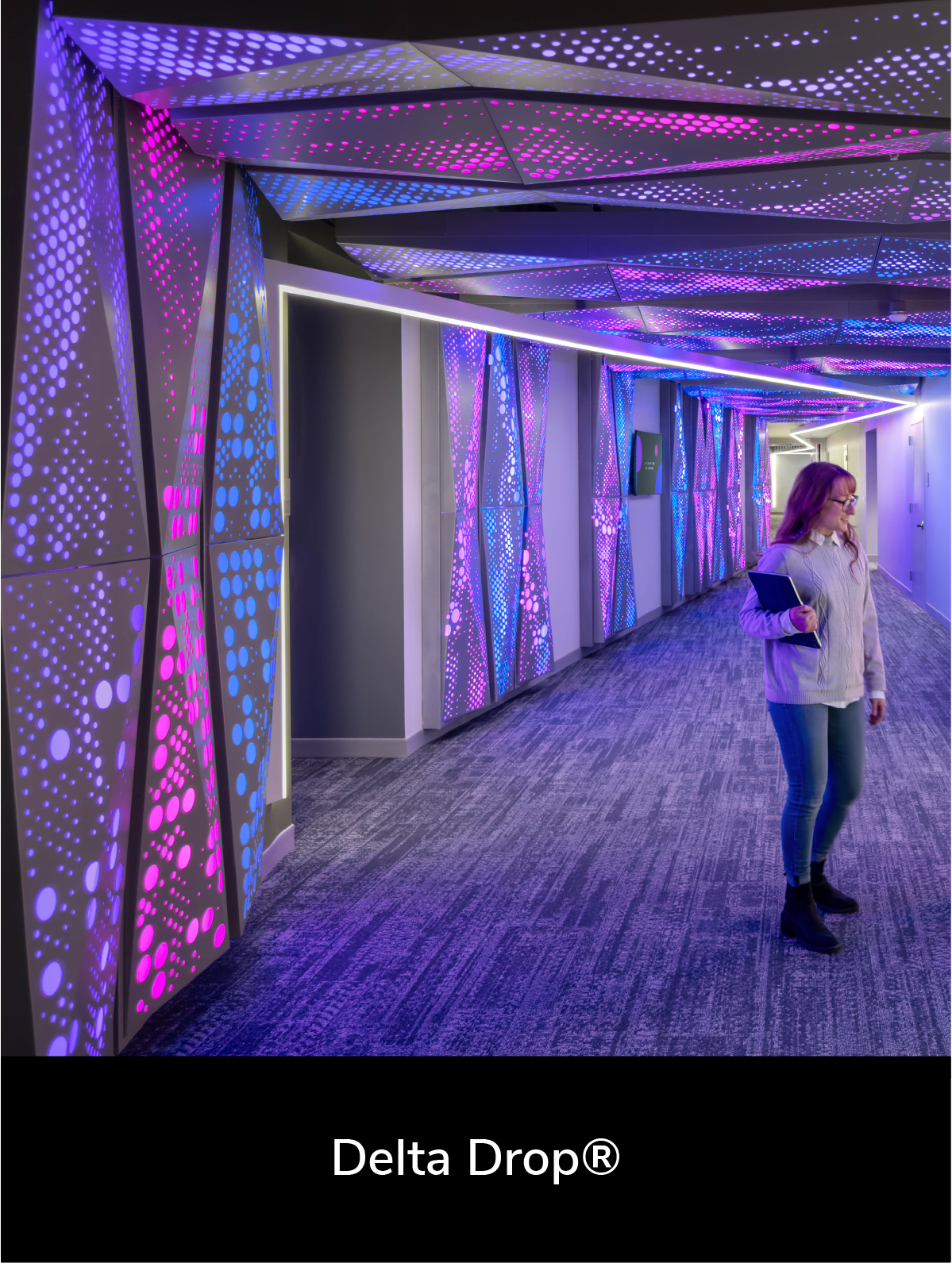
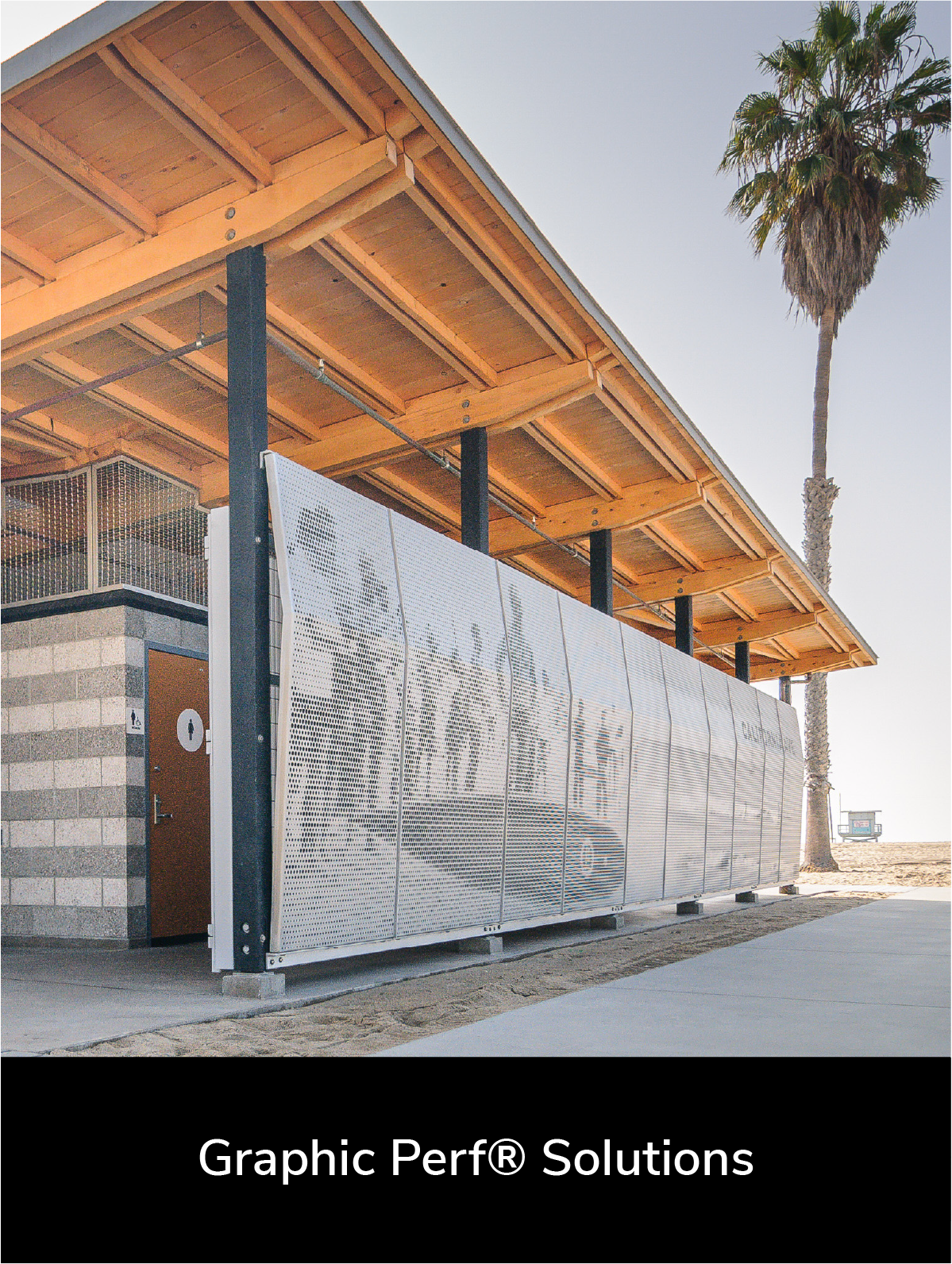
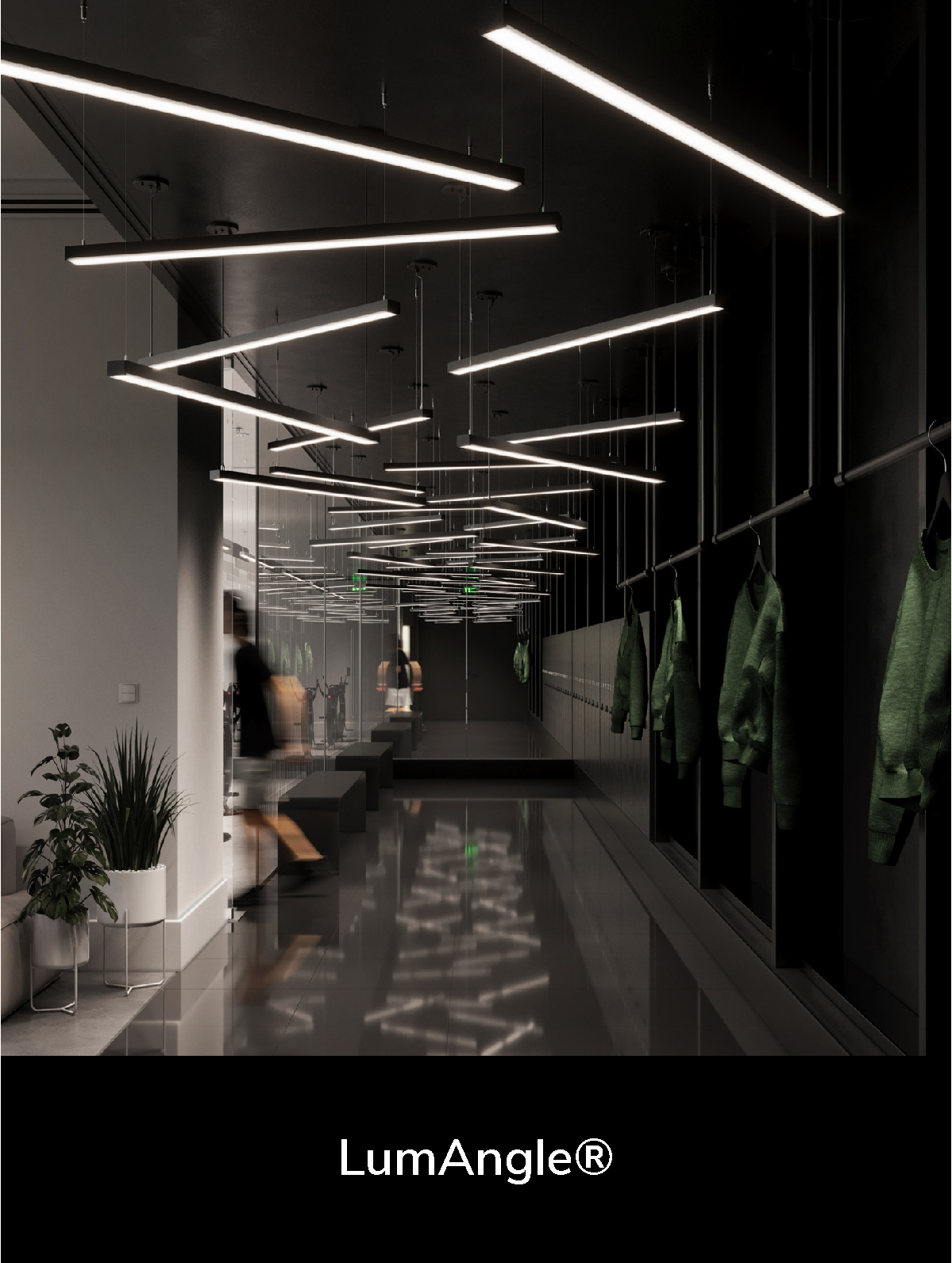
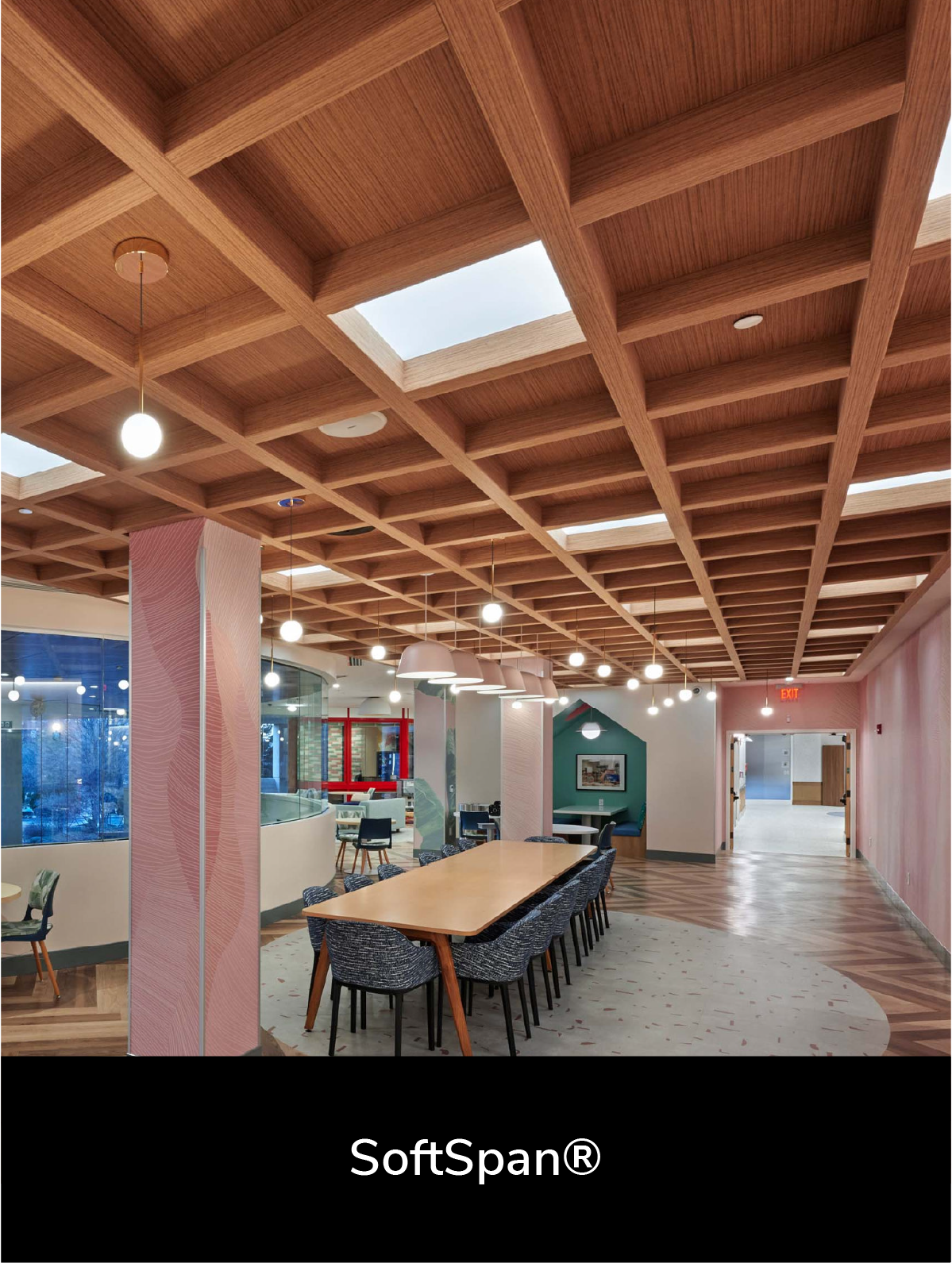
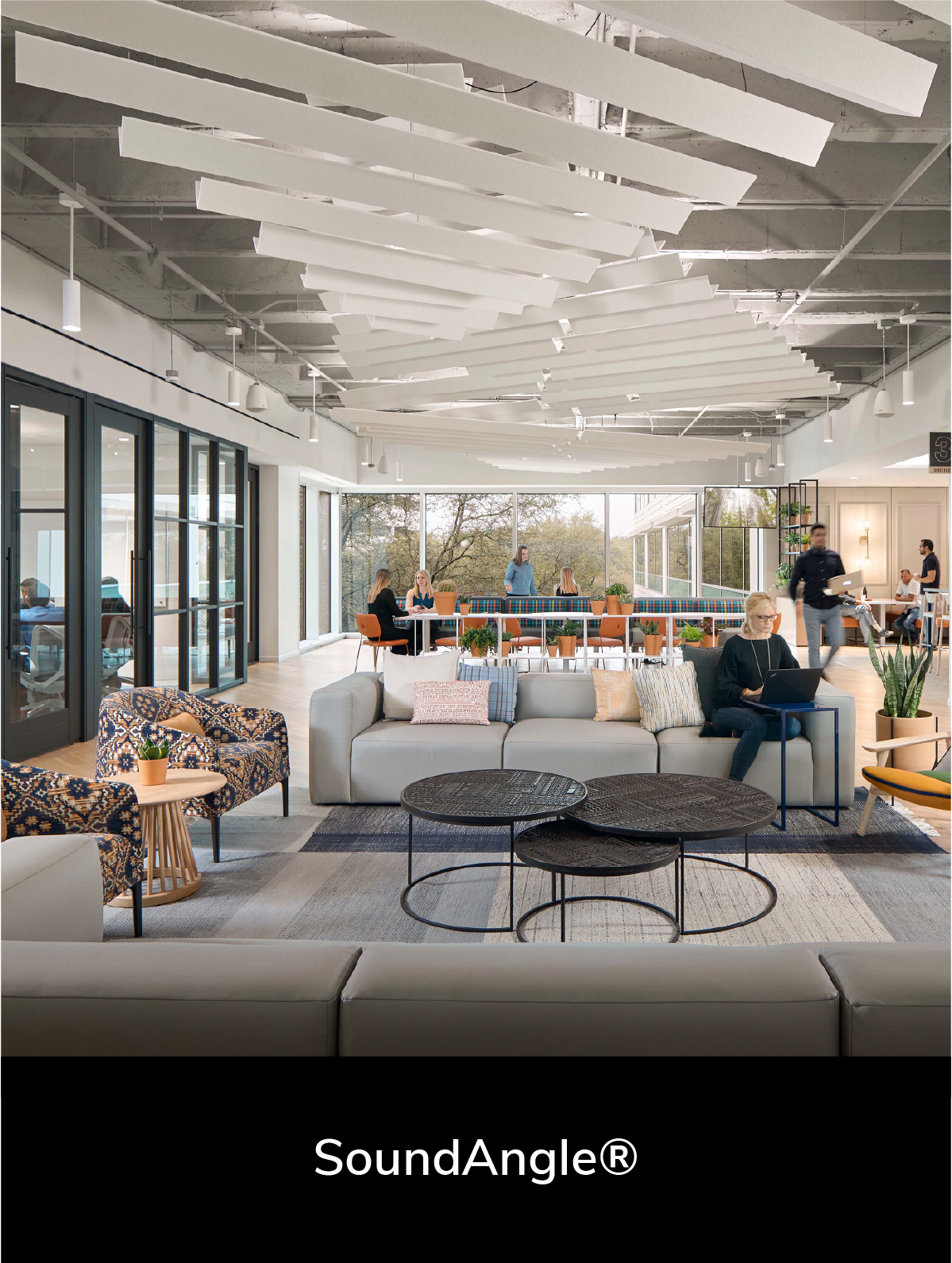
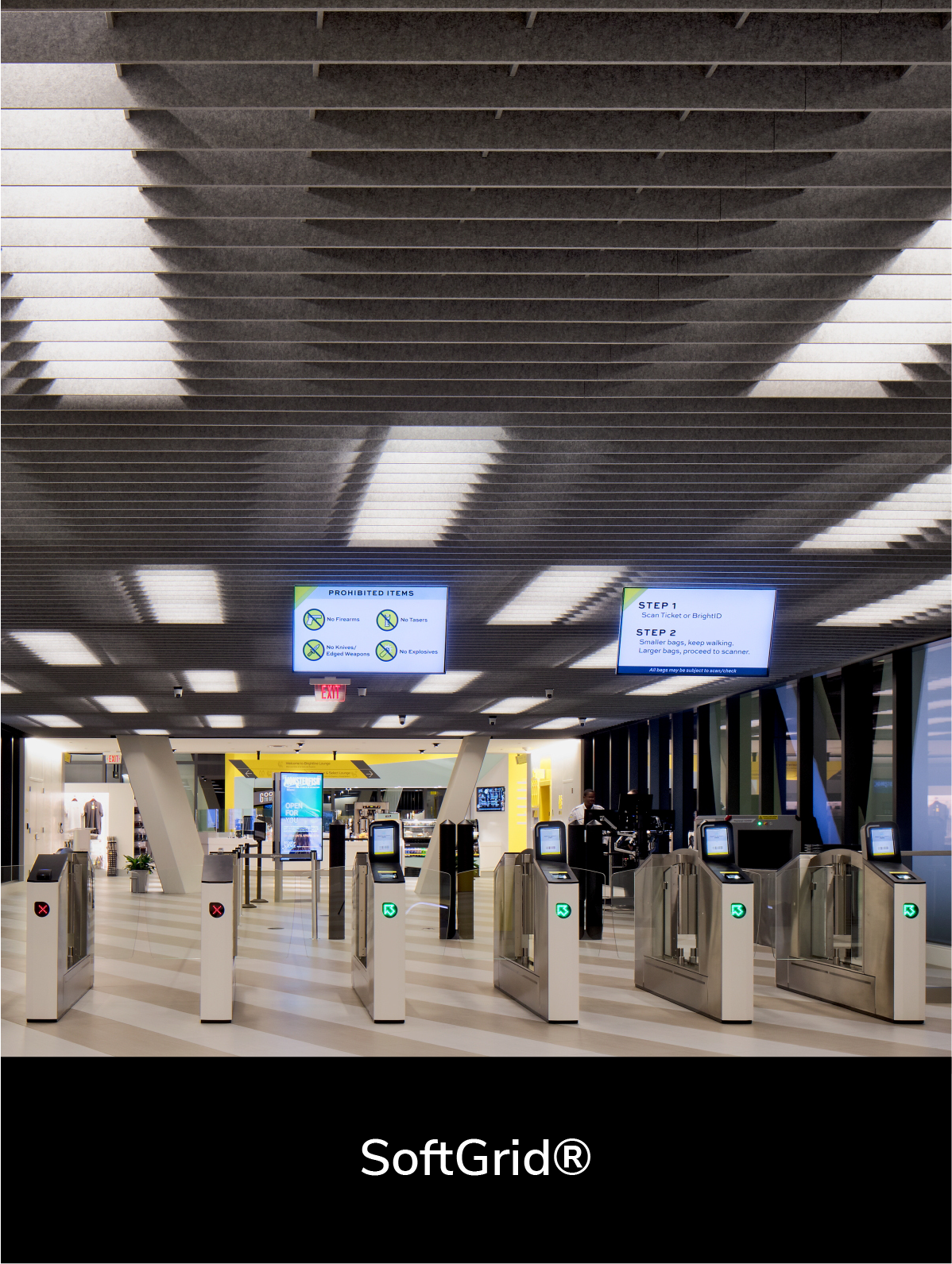
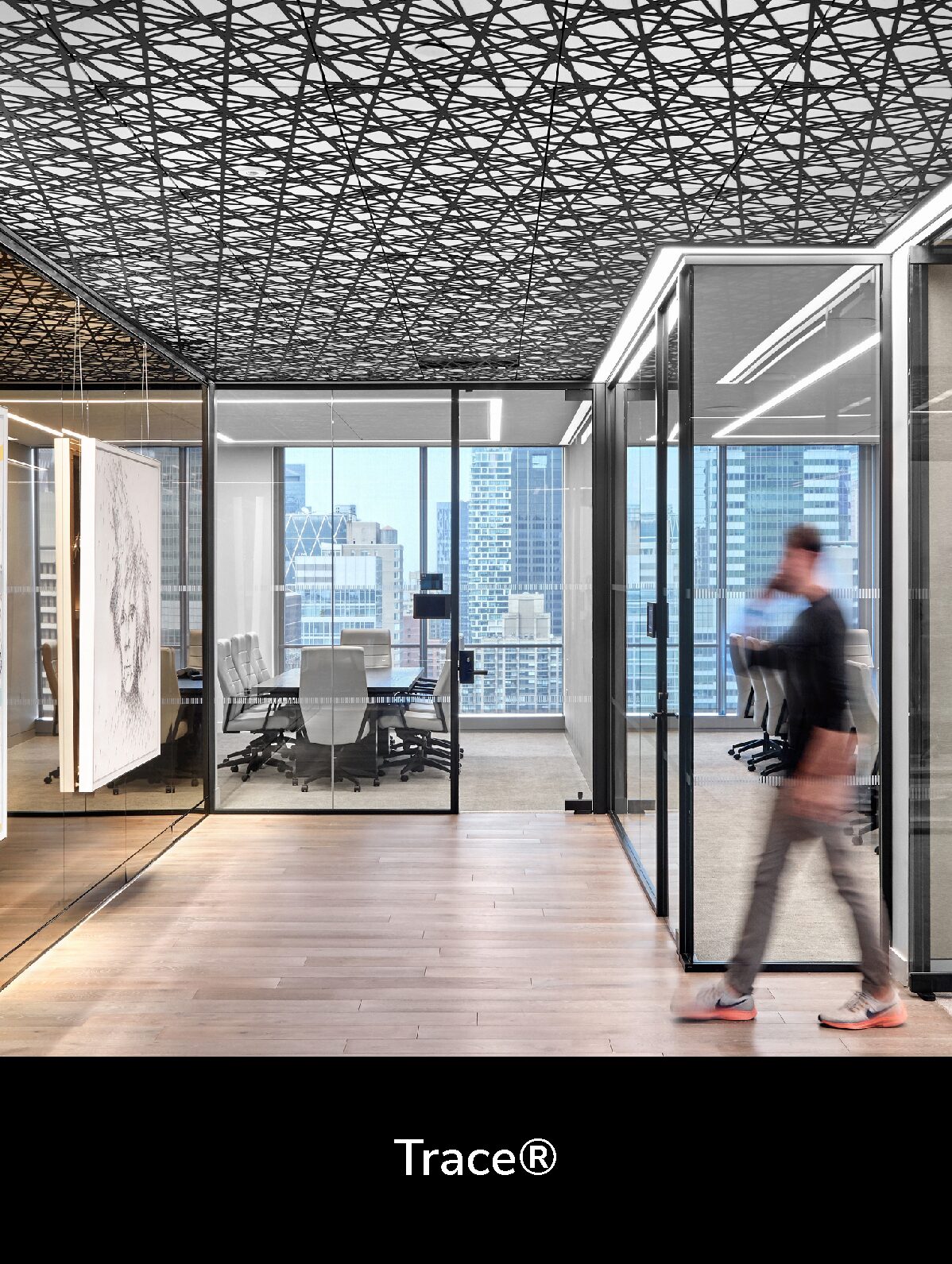
Buy American Featured Compliant Systems

FAQ Section

What is Buy America Act (BAA)?

The Buy American Act (BAA), enacted in 1933, requires the federal government to purchase American-made goods rather than foreign-made ones. It applies specifically to direct federal purchases, when federal agencies buy products for their own use. Products must meet domestic content requirements that vary based on how they're classified, whether as iron/steel products or other manufactured goods.

What is the Build America, Buy America (BABAA) Act?

Build America, Buy America Act (BABAA), enacted in 2021, is a more expansive domestic content law that applies specifically to infrastructure projects receiving federal financial assistance. Unlike the BAA, which covers direct federal procurement, BABAA reaches a broader range of projects and agencies, including those funded through grants and assistance programs. It sets specific domestic content thresholds that products must meet to qualify for use on these projects.

How Do BAA & BABAA Affect Architectural Specifications?

Federal funding requirements directly impact your material selections. Architects and specifiers need to identify whether a project receives federal support and which agency oversees it (FAA, EPA, FHWA, FTA, FRA, or AMTRAK). This determines which domestic content rules apply. You'll need to specify products that meet the applicable standards or plan for waivers, which require formal approval. Getting this right early prevents project delays and unexpected cost changes.

Do Buy America Requirements Apply to Ceiling and Wall Systems?

Absolutely. Acoustic wall and ceiling products, perforated metal panel systems, and integrated lighting systems all fall under Buy America requirements when projects involve federal procurement or federal funding. Each component gets evaluated individually based on how it's classified and where its materials originate. This is why early coordination with your product manufacturer matters.

How Are Manufactured Products Defined Under BABAA?

Under BABAA, a manufactured product is anything that's been processed into a specific form or combined with other materials to create something with different properties than its individual components. For example, a sheet of aluminum gets bent and punched to become a perforated panel, or separate components assemble into an integrated system. These products must be manufactured in the U.S. and meet the domestic content threshold (55% for BABAA).

What Domestic Content Percentage Is Required for BAA & BABAA Compliance?

Domestic content thresholds vary by law and product type: BAA (non-iron/steel products): 65% domestic content (increasing to 75% on January 1, 2029) BABAA (manufactured products): 55% domestic content Iron & Steel Products (BAA): Less than 5% foreign iron/steel content Iron & Steel Products (BABAA): 100% U.S.-produced (all manufacturing processes from initial melting through final coating must occur in the U.S.) Construction Materials (BABAA): All manufacturing processes must occur in the U.S.

Are There Waivers for Buy America or BABAA Projects?

Yes, waivers exist—but they require formal approval from the relevant agency. You can request one if: Compliance would conflict with the public interest Domestic products aren't available or don't meet quality standards Domestic content exceeds 60% and final assembly happens in the U.S. (FAA-specific option) Using domestic materials would increase project costs by more than 25% The key is planning ahead. Waivers take time to process, so factor this into your project timeline.

When Should Architects Address Buy America and BABAA Requirements?

Early—ideally during the initial design phase, not after specifications are locked. Here's what to do: Confirm funding source. Does the project receive federal support? Identify the governing agency. This determines which rules apply. Specify compliant products. Work with manufacturers to verify domestic content percentages and get documentation. Plan for lead time. Domestic sourcing often adds 2+ weeks to manufacturing schedules. Document requirements. Include compliance notes in your specifications. Addressing this early prevents costly redesigns, project delays, and last-minute scrambling.
Ready to Get Started?
Contact us today to discuss your project, request compliance
documentation, or schedule a design consultation.

baba